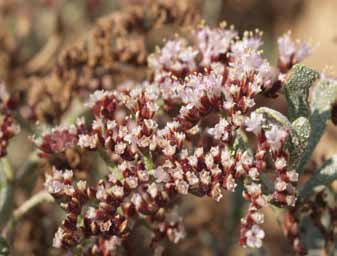
Plumbago zeylanica L.
إينصان ، كفيهل، اوطني
For people
- Eaten by people
- Not edible
- Toxic to people
- Toxic
For livestock
- Grazed by livestock
- Not grazed
- Toxic to livestock
- Toxic
Edibility and safety notes
Not a food plant: no edible use is recorded and all parts contain the irritant naphthoquinone plumbagin, which is poisonous when taken internally and has been used as an abortifacient. The crushed root and leaves blister the skin and the sap can irritate skin and eyes. Veterinary sources list Plumbago species as causing salivation, vomiting, diarrhoea and reproductive problems in animals; the book records it as not grazed. Keep away from children and pregnant women.
This guide is a hobby project, not expert advice. Never eat a wild plant, or feed it to animals, on the strength of this page alone. Read the disclaimer
Description
A herbaceous plant with glabrous stems that are climbing, prostrate, or erect. Leaves are petiolate or sessile, ovate to lance-elliptic, 5-9 cm long. White flowers with corollas 17-33 mm in diameter. Capsules 7.5-8 mm long containing reddish-brown to dark brown seeds.
Habitat
Open, human-created habitats such as savannah, forest edges, fallow fields, scrub and grassland, near termite mounds, lakes and river margins, at elevations up to 1000 m.
Distribution
Pantropical. Native range given by sources as tropical Asia (India to Malaysia), now naturalised throughout the tropics and subtropics of Africa, Asia, Australia and the Americas. In Oman recorded from Dhofar, where it often grows on the trunks of wild olive trees.
Pastoral value
Not used as livestock fodder.
Other uses
Traditionally used in African and Asian folk medicine: crushed leaves as a poultice for skin conditions (scabies, ringworm, acne) and the root as a blistering agent; the root contains plumbagin, which has antimicrobial activity. Grown as an ornamental climber. The plant is toxic when taken internally and should not be used without supervision.
Sources
- الدليل الحقلي المصور للنباتات البرية في سلطنة عُمان (BOOK.pdf p.150)
- Useful Tropical Plants — Plumbago zeylanica — tropical.theferns.info
- IVIS — Guide to Poisonous House and Garden Plants: Plumbago species — ivis.org
- Wikipedia — Plumbago zeylanica — en.wikipedia.org
- Queensland Poisons Information Centre — Plumbago zeylanica — poisonsinfo.health.qld.gov.au