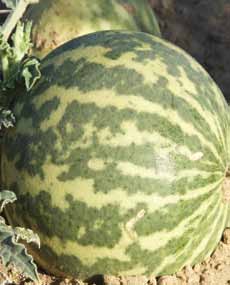
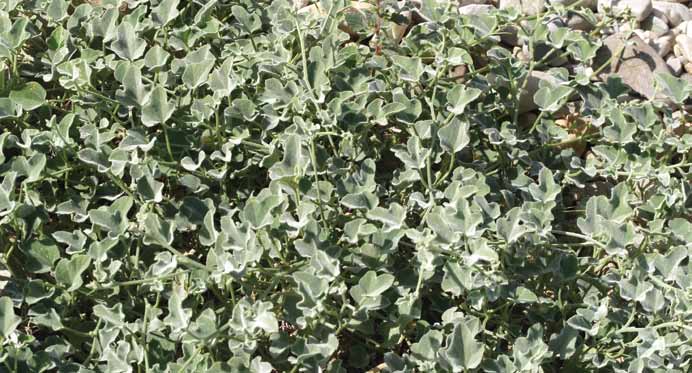
Cucumis sativus L.
خيار، حشوى، حشى ذلهوين، خيارشامي، خيار بلدي
For people
- Eaten by people
- Edible
- Toxic to people
- Not toxic
For livestock
- Grazed by livestock
- Unknown
- Toxic to livestock
- Unknown
Edibility and safety notes
The cucumber is a major food crop: the fruit is eaten raw, cooked or pickled, young shoots are cooked in some cuisines and the seeds are edible. It is safe; cultivated varieties have been bred for low cucurbitacin content, though an unusually bitter fruit should be discarded because bitterness indicates cucurbitacins that can cause stomach upset. It is a cultivated plant, not a wild one, and the Omani field guide lists it as of no grazing value; no reliable information on its use as livestock feed was found.
This guide is a hobby project, not expert advice. Never eat a wild plant, or feed it to animals, on the strength of this page alone. Read the disclaimer
Description
A widely cultivated creeping vine plant in the Cucurbitaceae family bearing cylindrical fruits. Annual climbing or spreading vine with curly tendrils, large hairy triangular leaves with 3-5 lobes, and bright yellow five-petaled flowers. Male and female flowers grow separately on the same plant.
Habitat
Cultivated plant requiring warm temperatures, adequate moisture and well-drained fertile soil.
Distribution
Native to the Himalaya to northern Thailand. Cultivated worldwide as a food crop.
Pastoral value
Not used as livestock feed.
Other uses
Major food crop consumed fresh or pickled worldwide. Contains vitamins and minerals. Used in cosmetics and skin care.
Sources
- الدليل الحقلي المصور للنباتات البرية في سلطنة عُمان (BOOK.pdf p.91)
- Wikipedia - Cucumber — en.wikipedia.org
- Plants For A Future - Cucumis sativus — pfaf.org
- PROTA - Cucumis sativus (Pl@ntUse) — plantuse.plantnet.org(PROTA)