Chenopodium murale L.
زوبه، الهوربه، الزربيح، خبيثة، هرش، لسان الطير
For people
- Eaten by people
- Edible
- Toxic to people
- Unknown
For livestock
- Grazed by livestock
- Limited fodder
- Toxic to livestock
- Toxic
Edibility and safety notes
People eat the young leaves and shoots cooked like spinach, and the seeds after soaking overnight, rinsing well and cooking. The plant contains oxalic acid and saponins: eat raw leaves only in small amounts, cook before eating, and avoid it if you have kidney stones, gout, arthritis or rheumatism. Young plants can be confused with black nightshade; goosefoot leaves are mealy-white beneath. The Omani field guide rates it good grazing, but under some conditions it accumulates toxic amounts of oxalate or nitrate that have poisoned sheep and other grazing animals.
This guide is a hobby project, not expert advice. Never eat a wild plant, or feed it to animals, on the strength of this page alone. Read the disclaimer
Description
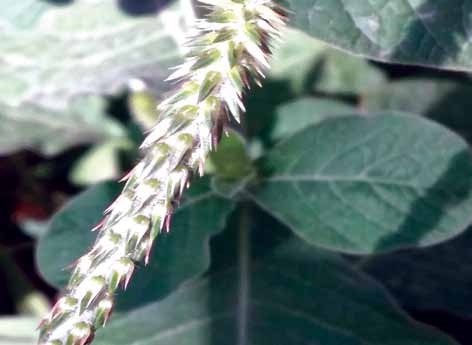
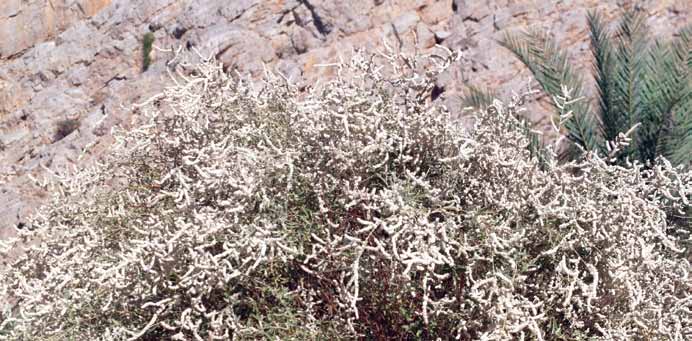
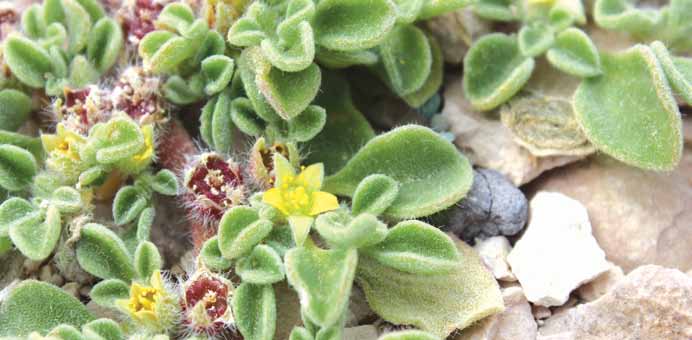
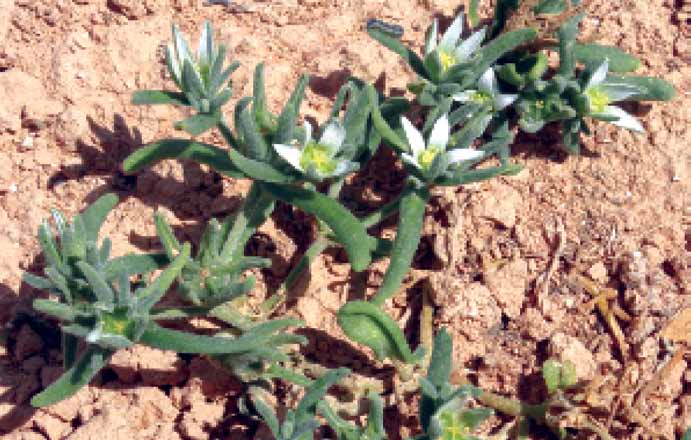
An annual green herb 25-70 cm tall, sparsely covered with a mealy powder. Stems ascending to erect, branched, more or less angular, often red-streaked. Leaves stalked, rhombic-ovate to rhombic-oblong or triangular, wedge-shaped at the base, irregularly and coarsely toothed, dark green and smooth above, sometimes mealy beneath. Flowers tiny, green, bisexual, with five tepals, in dense or loose axillary and terminal clusters. The fruit is a small flattened-globular utricle enclosing a lens-shaped black seed 1-1.5 mm across with a minutely pitted surface. In Oman it flowers from February to September.
Habitat
Occurs on roadsides, waste areas, gardens, and disturbed soil. Adapted to warm climates and nutrient-rich habitats.
Distribution
Native to Europe, Asia and North Africa. Introduced worldwide in temperate to tropical and subtropical regions.
Pastoral value
Rated as good grazing by the Omani field guide. However, under some conditions the plant can accumulate toxic amounts of oxalate or nitrate, which have affected sheep and other grazing animals, so it should not make up a large part of the diet.
Other uses
Young leaves and shoots are eaten cooked as a pot-herb like spinach (raw leaves only in small amounts because of oxalic acid and saponins). The seeds are eaten after soaking, rinsing and cooking, or ground and mixed with cereal flour for bread. Traditionally used in Oman for haemorrhoids. Gold or green dyes can be obtained from the whole plant.
Sources
- الدليل الحقلي المصور للنباتات البرية في سلطنة عُمان (BOOK.pdf p.78)
- Plants For A Future - Chenopodium murale — pfaf.org
- Wikipedia - Chenopodiastrum murale — en.wikipedia.org
- Useful Tropical Plants - Chenopodium murale — tropical.theferns.info
- UC IPM (University of California) - Nettleleaf goosefoot — ipm.ucanr.edu
- Flora of Qatar - Chenopodium murale — floraofqatar.com
- Oregon State University - Plants causing nitrate/oxalate poisoning (related goosefoots) — agsci.oregonstate.edu