
Indigofera intricata Boiss.
نيلة، شجرة النيلة، قطيطي، رخيموه، بيشة، شجرة الأرنب
For people
- Eaten by people
- Unknown
- Toxic to people
- Unknown
For livestock
- Grazed by livestock
- Good fodder
- Toxic to livestock
- Unknown
Edibility and safety notes
No record of this plant being eaten as food was found, so it should not be eaten. Its documented traditional uses are external (ash applied to wounds and burns). The UAE medicinal plants encyclopedia warns against ingesting Indigofera in general because related species have killed livestock, although its own test of this species in mice showed low acute toxicity. The Omani field guide rates it as good grazing and the UAE Red List notes that it is grazed; no report of harm to livestock was found.
This guide is a hobby project, not expert advice. Never eat a wild plant, or feed it to animals, on the strength of this page alone. Read the disclaimer
Description
A small, densely branched shrublet 30-60 cm tall with tangled, often prostrate branches whose side shoots end in spiny tips. Branches grey, covered with silvery appressed hairs. Leaves odd-pinnate with 3-7 leaflets; leaflets small, obovate, 3-7 x 2-4 mm, covered on both surfaces with silvery appressed hairs. Inflorescences short, few-flowered axillary racemes. Flowers small, pink to red. Fruit a straight or slightly curved, cylindrical, hairy pod 8-14 mm long, with 4-6 seeds.
Habitat
Sand and gravel plains, wadi sides, dunes and roadsides.
Distribution
Arabian Peninsula (Oman, UAE, Qatar and other Gulf States, Saudi Arabia, Yemen), Iran and Pakistan.
Pastoral value
Rated as good grazing by the Omani field guide; the UAE Red List notes that it is subject to grazing. No detailed forage study was found.
Other uses
Traditionally used for wounds and burns: the plant is burnt and the ash is packed into the wound. In Oman it is also used in fumigating newborn babies and, mixed with water and another ingredient, is placed on a child's forehead for fever. In Qatar the roots and leaves are reported to be used as a tonic.
Sources
- الدليل الحقلي المصور للنباتات البرية في سلطنة عُمان (BOOK.pdf p.113)
- Plants of the World Online — Indigofera intricata Boiss. — powo.science.kew.org
- Abu Dhabi DoH, Encyclopedia of Medicinal Plants of the UAE — Indigofera intricata — medicinalplants.doh.gov.ae
- Flora of Qatar — Indigofera intricata — floraofqatar.com
- UAE National Red List of Vascular Plants — Indigofera intricata — nationalredlist.org
- eNature Qatar — Hameira (Indigofera intricata) — enature.qa
From the same family
All in this family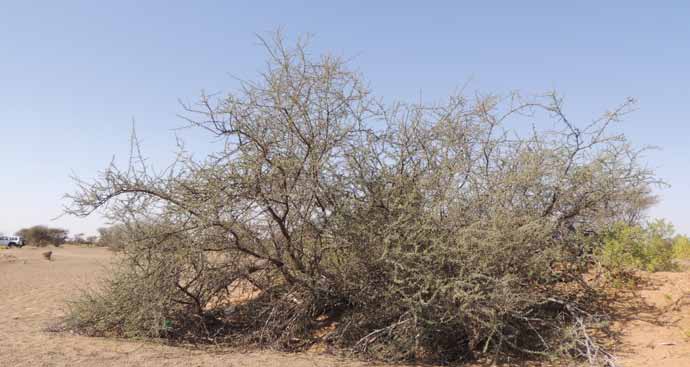
Fabaceae
Salam tree, Desert acacia
Acacia ehrenbergiana Hayne.
Fabaceae
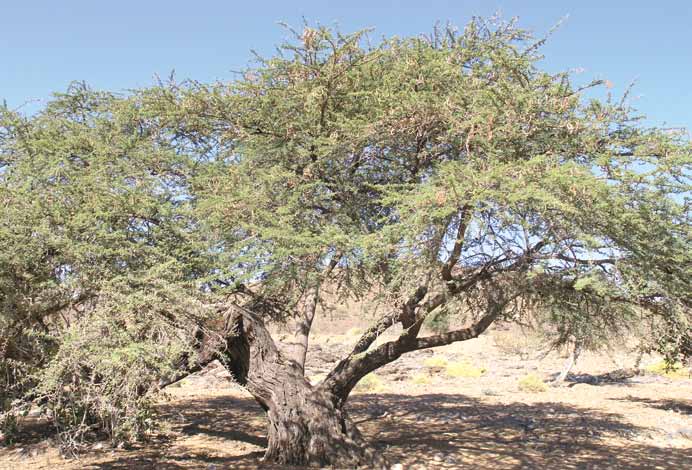
Red thorn, Grey-haired acacia, Talh
Acacia gerrardii Benth.
Fabaceae
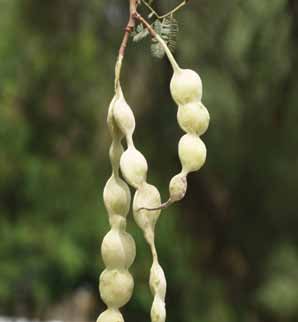
Gum arabic tree, Babul, Thorn mimosa, Egyptian acacia, Thorny acacia
Acacia nilotica (L.) Del.
Fabaceae
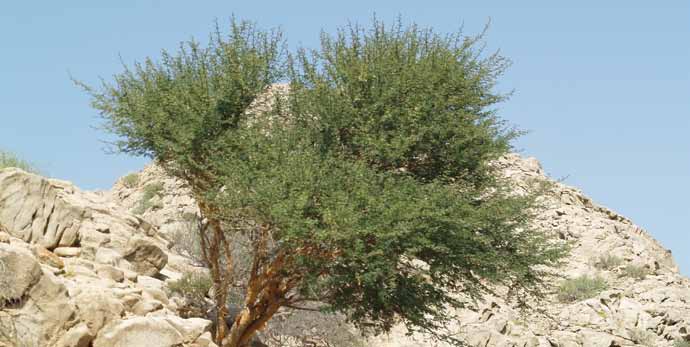
Gum acacia, Gum arabic tree, Sudan gum
Acacia senegal (L.) Willd.