Thymus vulgaris L.
السعتر، الزعتر، سعتر، سنعر، صعتر
For people
- Eaten by people
- Edible
- Toxic to people
- Not toxic
For livestock
- Grazed by livestock
- Limited fodder
- Toxic to livestock
- Unknown
Edibility and safety notes
Leaves and flowering tops are used fresh or dried as a culinary herb and steeped as herbal tea; in Oman dried thyme is used as tea, condiment and folk medicine. Safe in normal food amounts. The concentrated essential oil can be harmful in large doses and should not be swallowed, and medicinal quantities are best avoided in pregnancy. The wild Omani mountain 'za'atar' is probably Zataria multiflora, likewise used as a spice and tea. The Omani field guide says livestock eat it only when forced.
This guide is a hobby project, not expert advice. Never eat a wild plant, or feed it to animals, on the strength of this page alone. Read the disclaimer
Description
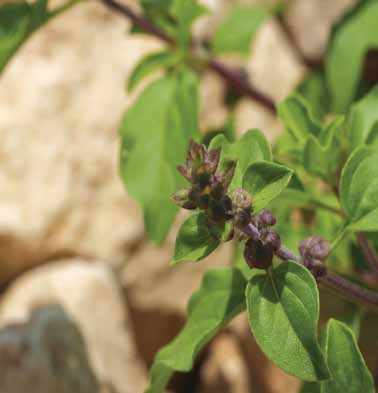
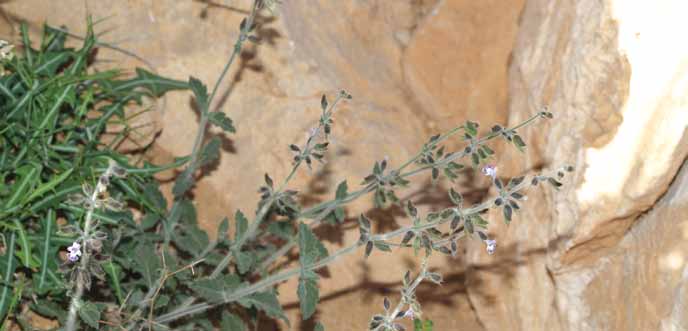
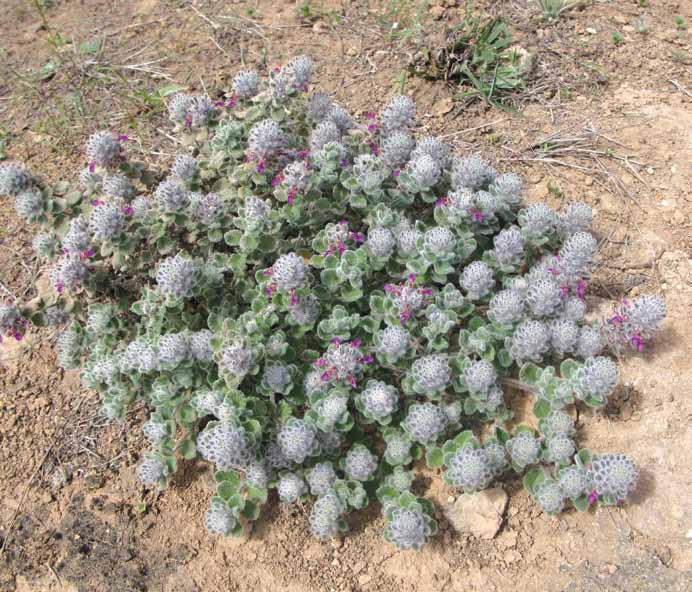
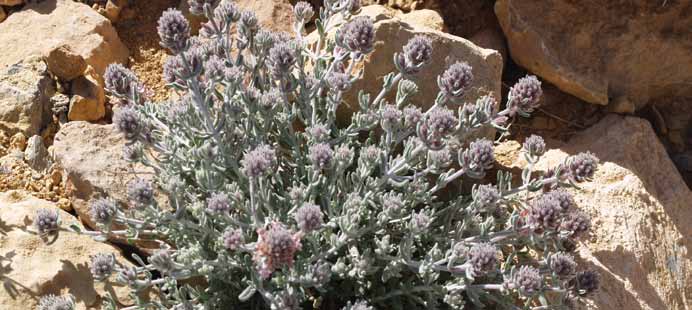
A woody broadleaf evergreen perennial subshrub of the Lamiaceae family, 15-30 cm tall, spreading 30-45 cm wide. Tiny linear to ovate gray-green leaves are densely aromatic, growing in pairs. Small tubular flowers in pink, lavender, or white appear in late spring to early summer.
Habitat
Rocky hillsides, scrubland, and dry meadows. Thrives in dry, sandy, or rocky soils with full sun, good drainage, and neutral to alkaline pH. Frost and drought tolerant.
Distribution
Native to southwestern Europe (Spain, France, Italy, Balearic Islands). Cultivated globally in temperate regions. Introduced to North Africa, Caribbean, New Zealand, and elsewhere.
Pastoral value
Poor grazing; animals turn to it only when nothing else is available.
Other uses
One of the most important culinary herbs worldwide, essential ingredient in Bouquet Garni. Used fresh or dried to flavor soups, stews, sauces, meats, and fish. Medicinal uses include antiseptic, bronchitis treatment. Essential oil (thymol) used in pharmaceutical and cosmetic industries. Flowers attract bees and butterflies.
Sources
- الدليل الحقلي المصور للنباتات البرية في سلطنة عُمان (BOOK.pdf p.129)
- Plants For A Future — Thymus vulgaris (edibility 4/5, hazards, native range) — pfaf.org
- PMC — Essential oil of Thymus vulgaris collected in Nizwa, Oman (used as herbal tea, condiment and folk medicine in Oman) — pmc.ncbi.nlm.nih.gov
- POWO — Zataria multiflora Boiss. (native range N. Oman, Iran to W. Himalaya; seen in search results) — powo.science.kew.org
- GBIF species match — Zataria multiflora Boiss. (accepted) — api.gbif.org
- Therapeutic potential of Zataria multiflora: a narrative review (leaf used as spice; search result) — journal.hep.com.cn
- Review of Thymus vulgaris grown in Oman, Int. J. Secondary Metabolite (search result) — dergipark.org.tr
- Wikipedia – Thymus vulgaris — en.wikipedia.org