
Adenium obesum (Forssk.) Roem. & Schult.
سفيد، أسفيد، عدن، دبيت الضبع، جرز
For people
- Eaten by people
- Not edible
- Toxic to people
- Toxic
For livestock
- Grazed by livestock
- Not grazed
- Toxic to livestock
- Toxic
Edibility and safety notes
Poisonous: never eat any part. All parts, especially the milky sap, roots and seeds, contain cardiac glycosides similar to those of oleander, which can cause heart rhythm disturbances, heart failure and death; the sap is used in Africa as arrow and fish poison. Avoid getting sap in the eyes, mouth or on broken skin, and wash hands after handling. It is not grazed and is dangerous to camels, goats, cattle, horses and pets.
This guide is a hobby project, not expert advice. Never eat a wild plant, or feed it to animals, on the strength of this page alone. Read the disclaimer
Description
A striking succulent shrub or small tree with a thick, swollen trunk (caudex) that tapers into thinner branches. It produces clusters of colorful trumpet-shaped flowers in pink, red, white or bi-colored, and has glossy green leaves.
Habitat
Arid regions with rocky and sandy soils in savannahs, dry bushland, woodland and wooded grassland. Prefers habitats with summer precipitation and dry winters.
Distribution
Native to Sub-Saharan Africa and the Arabian Peninsula. Widespread across east and northeast Africa, Arabia and Madagascar. Naturalized in Sri Lanka and Thailand.
Pastoral value
No pastoral value. All parts are highly toxic to livestock due to cardiac glycosides.
Other uses
The root sap and stem latex are traditionally used in Africa as arrow poison for hunting and as fish poison. Powdered stems and latex are applied externally against lice and skin parasites of camels and cattle. Widely grown as an ornamental. All parts are poisonous; traditional medicinal uses are hazardous.
Sources
- الدليل الحقلي المصور للنباتات البرية في سلطنة عُمان (BOOK.pdf p.27)
- PROTA (PlantUse) - Adenium obesum — plantuse.plantnet.org(PROTA)
- IVIS Guide to Poisonous House and Garden Plants - Adenium species — ivis.org
- Mad Barn - Desert rose toxicosis in horses — madbarn.com
From the same family
All in this family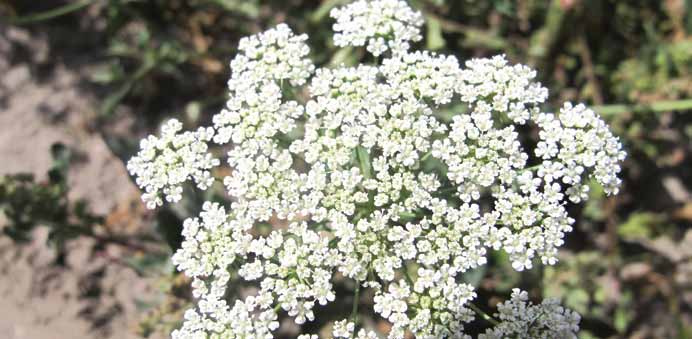
Apiaceae
Bishop's weed, False Queen Anne's lace, Greater ammi, Bishop's flower
Ammi majus L.
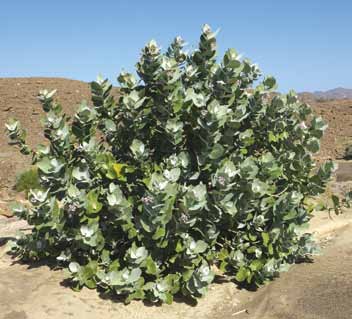
Apocynaceae
Apple of Sodom, Calotrope, Giant milkweed, Sodom apple
Calotropis procera (Aiton) Dryand
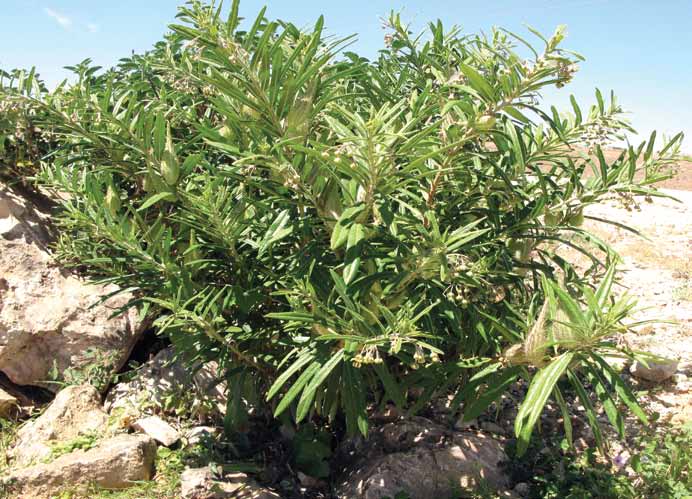
Apocynaceae
Milkweed, Narrow-leaved cotton bush, Balloon cotton bush, Swan plant
Gomphocarpus fruticosus (L.) W.T.Aiton
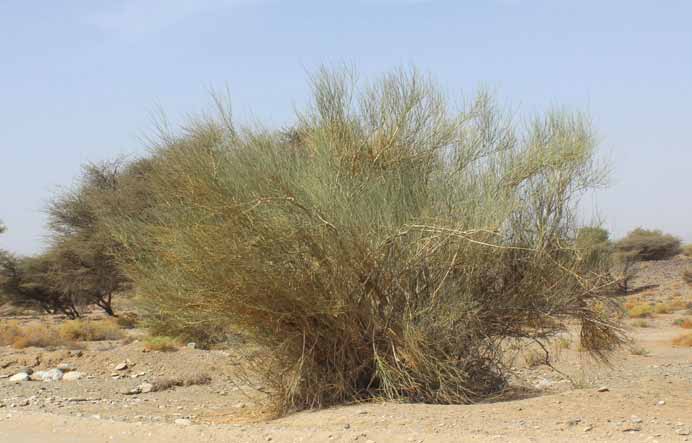
Apocynaceae
Broom Bush, Khimp, Khip, Marakh
Leptadenia pyrotechnica (Forssk.) Decne.